

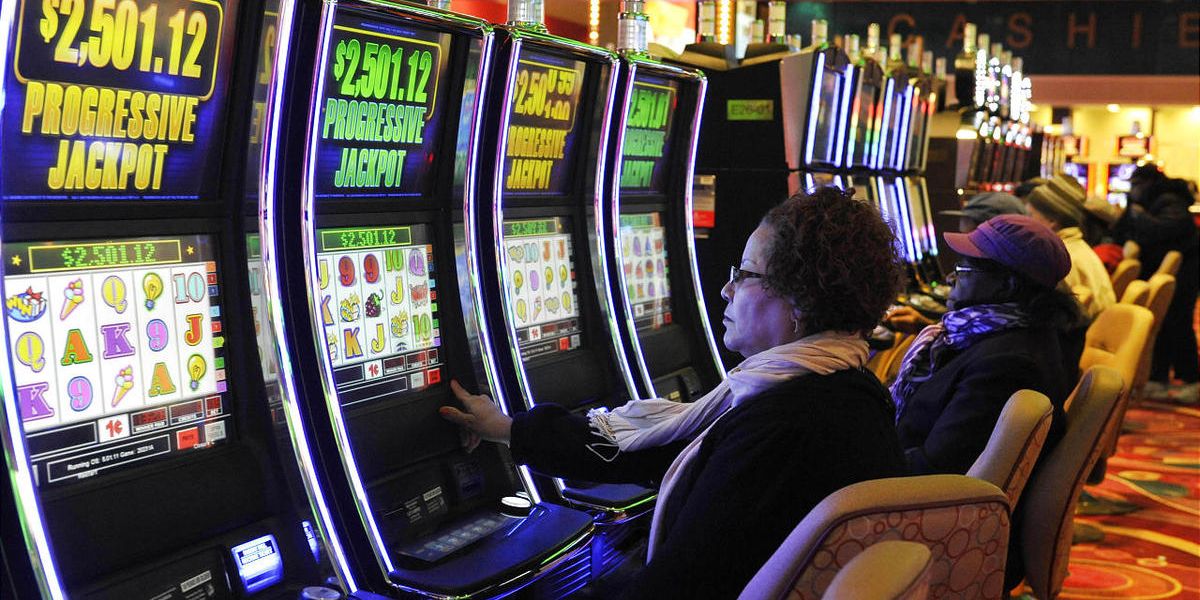
We have all been through that: browsing through a lobby full of flashing jackpots and cinematic intros, wondering where to drop our next deposit. RTP gets tossed around constantly in German casino circles, and for good reason. Return to Player is the theoretical percentage a slot returns over millions of spins, so a number exceeding 97% creates a quick little rush. At Details lesen, our library includes volatile low-RTP thrillers and advantageous math models that feel practically inviting. Chasing high RTP slots is not a surefire ticket to a fatter wallet, but understanding how these machines breathe changes how we handle every single session. We want to pull back the curtain on what makes these statistical darlings so appealing while being brutally honest about the times they leave you staring at a dwindling balance and questioning where the generosity went.
Decoding the Core Math Behind High RTP Slots
When we discuss a slot boasting 98% RTP, we are not depicting a machine that hands back ninety-eight cents every time you put in a euro. The calculation runs across hundreds of millions of simulated spins before a provider dares stamp that number on the paytable. For German players who dissect game specs before hitting spin, this figure represents the house edge reversed: a mere 2% margin for the operator over an infinite timeline. A single evening, however, is a chaotic blip on that radar. We have experienced nights where a 96% slot rains bonus rounds, while a 98% title endures dead spins with mechanical indifference. The magic is found in volatility pairing. Many high RTP games favor low or medium variance, distributing that theoretical return across frequent smaller wins rather than hoarding it for one life-changing multiplier. This creates a rhythm where your balance breathes instead of hyperventilating.
How Providers Construct Generous Return Models
Developers do not pump up RTP by adding extra coins into the base game. The architecture of a high-return slot reallocates payouts across symbol hierarchies and feature triggers. Premium symbols in these games tend to pay slightly more for five-of-a-kind combinations, while scatter mechanisms are calibrated to appear with a cadence that maintains the bonus promise feeling tangible. Studios like Quickspin and Thunderkick, both well represented in our Wyns Casino lobby, frequently eliminate expensive licensed soundtracks and layered progressive jackpot contributions that would otherwise diminish player return. Instead, they direct the budget directly into the math engine, producing games where the free spins round carries the statistical weight of the advertised percentage. For the detail-oriented player in Berlin or Munich who consults the help file before every session, this transparency reads like a handshake rather than a trick. The engineering behind a 97.5% slot is not charity; it is a competitive product crafted to keep German players engaged and talking.
The Clear Upside from Pursuing Higher Percentages
Walking into a gaming session on a slot that offers 98% over the long haul differs substantially from wrestling with a game that claws back 10% or more. The most instant feeling we experience is increased session length. A fifty-euro deposit simply lasts longer when the theoretical drain is limited to two percent, and for evenings built around entertainment rather than a moon-shot jackpot, that efficiency alters the value proposition entirely. You obtain more spins, more bonus teases, and more near-miss heart palpitations that make slot gaming addictive in the first place. There is also a psychological armor that stems from knowing the math is weighted less heavily against you. When a dry spell hits a high RTP title, we have an easier time to shrug it off as variance doing its job rather than thinking that the game is a predatory vacuum. This mental comfort is important for German players who treat each session as a cost-per-hour entertainment metric rather than a desperate gamble.
Playing Time and the Importance of Time on Device
We cannot emphasize enough the difference between burning through a deposit in twelve minutes on a harsh 94% slot and nursing that same balance across two hours on a kind 98% title. Time on device is the currency of enjoyment for recreational players, and high RTP slots are engineered to dispense it generously. The math achieves this not through constant wins, but through a tuned hit frequency somewhere between twenty-five and thirty-five percent, meaning roughly one in three or four spins yields some kind of return, even if it is a fraction of your stake. This steady drip of feedback sustains the dopamine loop humming without demanding a bonus feature every two minutes. At Wyns Casino, we see players lean toward these games when they want a chill evening with a glass of Riesling rather than a high-adrenaline session needing constant attention. The beauty of the German market is that players actually read help files; they recognize when a game is built for endurance and reward those titles with loyalty.

The Obscure Drawbacks Nobody Mentions at First Glance
Pursuing the highest possible RTP number can lead you into a trap that feels counterintuitive until you experience it firsthand. The most glaring issue is the volatility ceiling that often accompanies generous return percentages. To maintain 98% while still offering meaningful jackpot potential, developers must cap the maximum win at a relatively modest multiplier, frequently between 1,000x and 2,500x the stake. For a German player dreaming of a screenshot-worthy 10,000x explosion, a high RTP slot can feel like driving a sports car with a speed limiter bolted to the engine. The game gives and gives in small doses, but it never truly erupts. This creates a specific kind of frustration where you finish a session slightly down or slightly up, yet never experience the euphoric spike that makes slot folklore. Another subtle drawback is the bonus frequency illusion. Because the base game treats you relatively well, the free spins feature often feels less urgent, and when it lands, the payouts can underwhelm because the math has already distributed so much return through the standard reels.
The Maximum Win Ceiling and Bonus Feature Dilution

Let’s discuss the elephant in the room whenever a slot advertises both a sky-high RTP and a headline-grabbing max win. Those two promises cannot coexist without one bending the truth. A game returning 98% mathematically cannot also offer a 20,000x max win unless the volatility is so extreme that the base game becomes an unplayable wasteland, which defeats the purpose of the high return. The compromise is almost always a capped potential, and that cap has a real psychological effect during play. When you know the absolute ceiling is 2,000x, hitting a 500x win feels like a near-miss on the grand scale rather than a triumph. We have watched players land a solid 300x multiplier on a high RTP title and react with a shrug because they understand the game simply does not have the architecture for life-changing sums. This trade-off extends into bonus rounds as well. Because the base game already returns a significant portion of the theoretical payout, free spins features often arrive with less statistical firepower, producing payouts that barely register and making the most exciting visual moment feel strangely unremarkable.
Contrasting High RTP Slots to Their Volatile Counterparts
Placing a 98% RTP slot alongside a 95% volatile monster is like contrasting a reliable sedan to a temperamental supercar. The sedan brings you with minimal drama; the supercar could leave you stuck or provide the most exhilarating fifteen minutes of your life. No option is objectively superior, but your preference on any given evening governs which set of pros and cons you will truly experience. High RTP slots resonate most strongly when the primary goal is unwinding after a long workday in Frankfurt or Cologne, where the thought of a brutal balance swing feels genuinely off-putting. The volatile alternative speaks to a different part of the brain, the part that craves narrative and wants to recount to friends about the time a single spin multiplied a modest stake into four figures. The trade-off is clear: high RTP offers consistency and regard for your time, while high volatility offers narrative value and palm-sweating adrenaline. At Wyns Casino, we recommend players to read the full game specs rather than obsessing over RTP in isolation, because a 96% slot with a 15,000x max win might genuinely offer a more satisfying personal experience than a 98% title that restrains its drama at 1,500x.
How Wyns Casino Curates Its High RTP Selection for German Users
We do not simply stuff our lobby with every game that boasts a flashy percentage and call it a day. Our curation process looks at how a slot’s math model interacts with the way German players really behave during a session. A 98% RTP slot that demands five hundred spins before its rhythm becomes apparent is of little use to someone who plays in fifteen-minute bursts on a mobile phone during a U-Bahn commute. We give preference to titles that pair generous percentages with hit frequencies and bonus cadences that come across as satisfying in shorter windows, because the modern player rarely has three uninterrupted hours to let the math fully demonstrate itself. Providers like Pragmatic Play and Relax Gaming have become cornerstones in our high RTP category because they grasp this pacing problem. Their games provide statistical generosity without demanding monastic patience, weaving returns into a tempo that seems alive across a hundred spins. We also give close consideration to mobile performance, since a significant portion of our German traffic comes from handheld devices, and a slot that stutters during a bonus round undermines the very comfort the high RTP is intended to provide.
Where High RTP Turns Into a Marketing Mirage
We have to address an uncomfortable truth in the German casino community. Some operators promote RTP figures that only apply under specific, often opaque conditions. A slot might boast 98% within its help file, but that number might reflect the return only whenever a particular bonus buy feature is activated or when the maximum bet is staked, leaving the standard spin at a far less generous 94%. This practice is not universal, but it occurs, and it targets players who search for the highest percentage without reviewing the fine print. At Wyns Casino, we insist on showing the default RTP for standard gameplay, because anything else damages credibility. We also monitor games where providers provide multiple RTP configurations to operators. A German player who loves a game at one casino might find it inexplicably tighter at another, and the difference does not stem from luck but a deliberate operator setting. We choose the highest available configuration whenever providers present a range, because long-term player satisfaction exceeds the short-term margin gain of a greedier setting.