


Multiplier slots occupy a special space in the online gaming world because they promise something every player instinctively understands: a win that can expand far beyond its base value with a single spin. Unlike standard slots where a payline win is determined according to the paytable, a multiplier slot brings in one or more mechanics that multiply the payout by a factor, sometimes multiplying it by two and occasionally raising it to hundreds or thousands of times the original amount. The appeal is instant and practical. A modest five-credit win suddenly becomes fifty credits, and a solid line hit during a bonus round can turn into a session-defining result. This guide looks at how multiplier slots actually work, what differentiates the different types of multipliers, how volatility and return-to-player percentages influence the experience, and which bonus features often deliver the most meaningful multiplier action. It also covers bet ranges, maximum win ceilings, and a practical approach to playing these games without losing focus in the noise of flashy marketing. Readers will walk away with a clear, grounded understanding of what multiplier slots deliver and how to evaluate them before placing a bet.
Well-Known Multiplier Slot Titles and Providers
The online slot market is saturated, but a few of multiplier slots have gained lasting popularity because they provide a well-rounded combination of engaging themes, transparent mechanics and true multiplier impact. Play’n GO’s “Reactoonz” series uses a quantumeter that charges up to unleash multiplier wilds and symbol transformations, with cascading wins that can drive a single spin well beyond 1,000x the bet. Pragmatic Play’s “Gates of Olympus” uses a tumble feature where multiplier orbs with values from 2x to 500x land on the reels and build during a free spins round, creating the potential for huge multiplied totals. NetEnt’s “Dead or Alive 2” offers three free spins modes, one of which implements an escalating multiplier to every wild that lands, and the sticky wilds stay in place for the duration of the bonus. These games have a common thread: the multiplier is not a rare afterthought but a central design pillar that influences every spin.
Other notable providers include Big Time Gaming, whose “Bonanza Megaways” popularized the unlimited win multiplier during free spins, increasing by 1x with each cascade reaction. Red Tiger’s “Dragon’s Fire Megaways” merges multiplier wilds with a Megaways grid, enabling multiple multipliers to land and amplify each other for staggering single-spin results. Quickspin’s “Big Bad Wolf” uses a swooping reels mechanic where winning symbols are substituted and a multiplier pig symbol applies a 2x or 3x boost to the entire cascade sequence. Each provider brings a distinct mathematical model to the table, and a player who tries several will quickly observe that the same multiplier number can seem very different depending on the game’s hit frequency and bonus structure. Reviewing the provider’s reputation for fair RTP and certified random number generation is a wise step before investing real money, and independent testing lab logos at the bottom of the game screen provide that assurance.
RTP and Volatility: What to Anticipate from Multiplier Slots
Player return (RTP) and volatility are the two statistical pillars that shape any slot’s characteristics, and multiplier slots are no exception. RTP is the calculated percentage of all wagered money that a game pays out to players over an very large number of spins. Most multiplier slots sit in a range between 94% and 97%, with many grouping around 96%. A higher RTP does not promise better short-term results, but it signals a lower house edge over the long run. What matters more for the day-to-day experience is volatility, sometimes called variance. Low-volatility multiplier slots typically to deliver frequent but modest multiplied wins, often through small wild multipliers that show up regularly in the base game. High-volatility titles, by contrast, channel a large portion of their RTP into scarce but massive multiplied bonus rounds. A player might spin for an hour without encountering a multiplier above 2x, only to hit a free spins sequence where a 10x or 50x multiplier appears on a high-paying symbol combination.
Game developers rarely publish exact volatility figures, but they often describe a slot as low, medium or high volatility, and player reviews can bridge the gaps. A practical way to gauge volatility is to look at the maximum win figure and the frequency of the bonus feature. A slot showcasing a maximum win of 50,000x the stake with a bonus hit rate of one in 400 spins is certainly a high-volatility game. The multiplier mechanic increases volatility because it creates a wider spread between the smallest and largest possible outcomes. A 5x multiplier on a 0.10-credit win is negligible, but a 500x multiplier on a 50-credit win is life-changing. This skewed distribution means that bankroll management becomes particularly important when playing multiplier slots. A player who grasps the volatility profile can adjust bet sizing to stay in the game long enough to reach the bonus rounds where the meaningful multipliers reside.
Common Questions
What precisely is a multiplier in a slot game?
A multiplier is a game feature that increases a win by a particular factor, such as 2x, 5x or 50x. It can be attached to a wild symbol, initiated during free spins, or triggered through cascading wins. The multiplier applies after the base win is computed from the paytable. For example, a 10-credit win hit by a 3x multiplier becomes 30 credits. Multipliers do not alter the probability of a winning combination; they only increase the payout when a win occurs.
Do multiplier slots have lower RTP than standard slots?

Not inevitably. The RTP of a multiplier slot is defined by its complete mathematical design, not by the presence of multipliers alone. Many multiplier slots deliver RTP figures between 95% and 97%, which is comparable to standard slots. However, games with progressive jackpots supported by a portion of each bet often have a slightly lower base RTP. Players should verify the specific RTP of any game in its information panel, as some operators provide different RTP configurations for the same title.
Can I win a progressive jackpot with a multiplier added?
In most cases, progressive jackpots are given as fixed amounts and are not subject to multipliers. However, some games offer jackpot bonus rounds where a multiplier can boost the value of a fixed jackpot tier, such as a Major or Grand prize. The specific rules differ by game, so the player should check the jackpot section of the paytable. When a progressive jackpot is claimed through a standard spin, the multiplier usually does not pertain to the jackpot amount itself.
What is a cascading multiplier and how does it operate?
A cascading multiplier increases with each consecutive win in a single spin sequence. When a winning combination forms, the symbols fade and Mega Fire Blaze Roulette new player bonus ones settle into place. If another win results, the multiplier climbs — often from 1x to 2x, then 3x, 5x and beyond — and the process continues until no new wins show up. The player spends only for the initial spin. This mechanic can produce multiple wins at escalating multiplier levels, with the multiplier reverting for the next paid spin.
Is bonus buy features justify the cost in multiplier slots?
Buy bonus features allow direct access to the free spins round for a fixed multiple of the total bet, generally between 50x and 150x. Whether it is valuable the cost depends on the typical payout of the bonus round. If the average free spins return is 80x and the buy cost is 100x, the player faces a disadvantageous expected value over many purchases. Bonus buys can be helpful for players who want assured multiplier action without waiting, but they hasten bankroll consumption and should be used moderately.
How do I tell if a multiplier slot is high or low volatility?
Volatility is not always presented directly, but several indicators aid. A high maximum win, such as 20,000x or more, usually signals high volatility. A low bonus hit frequency, like one in 300 spins, also indicates to high variance. Player reviews and provider descriptions often mention volatility levels. In demo mode, a player can watch how often small wins occur and how quickly the balance varies. Frequent small wins with rare large multipliers indicate medium volatility, while long dry spells followed by sudden big wins indicate high volatility.
Do multiplier wilds combine together or multiply each other?
This relies entirely on the game’s rules. Some slots total the values of multiple multiplier wilds on the same win line, so two 3x wilds produce a 6x multiplier. Others compound the values together, yielding a 9x multiplier from the same two wilds. The difference significantly impacts maximum win potential. The game’s paytable or help section will indicate which method applies. Players should verify this detail before playing, as it directly shapes how valuable multiple wilds are in a single spin.
Multiplier slots compensate players who take the time to comprehend the mechanics beneath the surface. The multiplier figure on the screen is only one piece of a larger mathematical puzzle that encompasses volatility, hit frequency, bonus structure and bet sizing. A game with a 500x multiplier that triggers once every thousand spins plays very differently from one with a 50x multiplier that lands every fifty spins, even if both carry the same RTP. The practical takeaway is that no single number tells the whole story. A player who studies the paytable, tests the game in demo mode, defines clear session limits and aligns their bet size to the game’s bonus frequency will reach more informed decisions than someone who simply seeks the biggest advertised multiplier. The multiplier is a tool integrated into the game’s design, and like any tool, its value depends on how it is used and how well the user understands its limits.
What Are Multiplier Slots and How Do They Work?
In its most basic form, a multiplier slot is a type of online slot that contains a symbol, feature or game mechanic capable of multiplying a win by a specified factor. The multiplier is often tied to a wild symbol, unlocked in free spins, triggered randomly in a base game, or accumulated progressively through cascading wins. The core principle remains the same: the game determines a base win from a combination of symbols and then implements a multiplier to that amount. For example, a five-of-a-kind win that usually awards 100 coins may be amplified by a 3x multiplier, producing a 300-coin payout. The multiplication takes place after the paytable evaluation, meaning the multiplier operates alongside the game’s standard maths model without replacing it. This layered structure is the reason for multiplier slots their distinctive risk-reward profile, as the base game can feel relatively tame while the multiplied bonus rounds provide the volatility that many players actively seek.
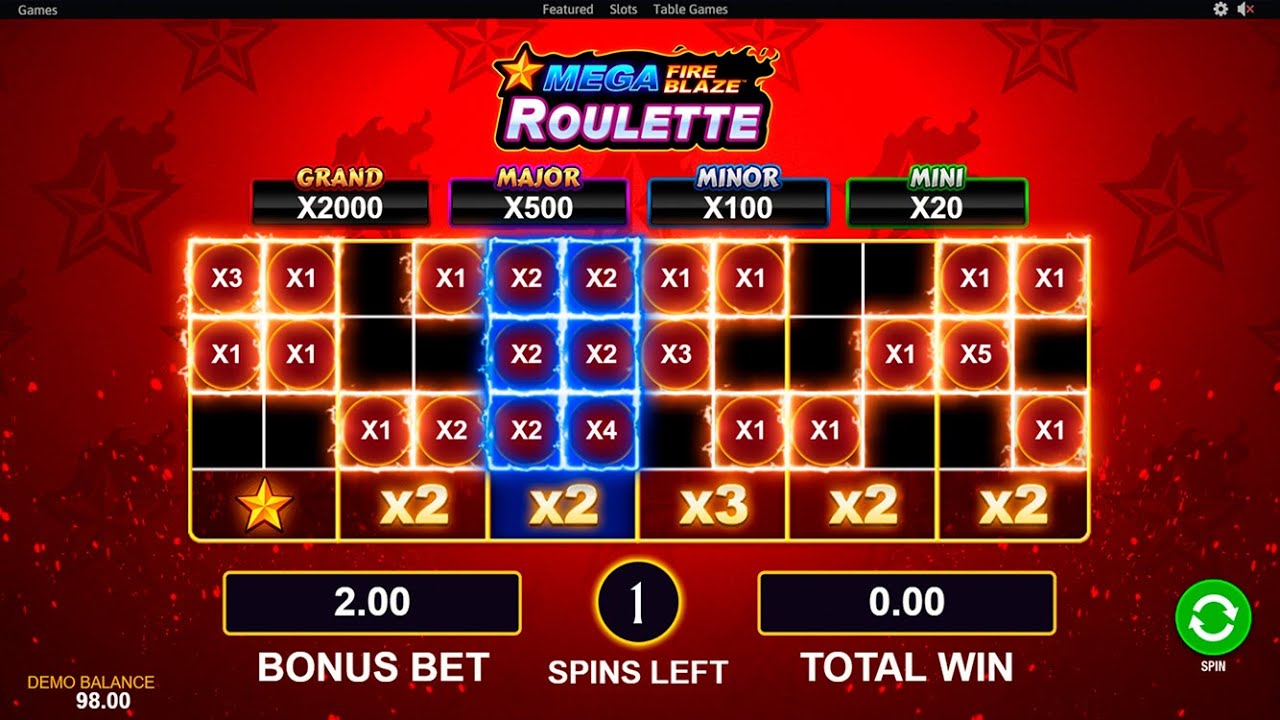
Mechanically, the multiplier value can be fixed or dynamic. A fixed multiplier, such as a 2x wild that always doubles any win it participates in, is predictable and simple to incorporate into a betting strategy. Dynamic multipliers change during play, often starting at 1x and rising with each consecutive win, each collected scatter symbol, or each spin in a bonus sequence. Some games show a multiplier trail on the side of the reels, indicating the current value and the steps necessary to increase. Others hide the multiplier inside a pick-and-click feature or a wheel spin, introducing an element of suspense. The important point for a player remains that the multiplier is not a separate bet or side wager; it is integrated into the game’s code and covered by the overall return-to-player calculation. Understanding this helps set realistic expectations: the game is designed to pay out the multiplied wins infrequently enough to balance the maths, which means dry spells are an inherent part of the experience.
Reel Sets, Rows and Pay Lines: The Technicalities Behind the Victories
The physical layout of a multiplier slot — its reels, rows and payline structure — has a clear influence on how multipliers behave and how often they connect with winning combinations. Traditional multiplier slots employ a five-reel, three-row grid with a predetermined number of paylines, frequently between 10 and 50. In these setups, a multiplier wild must appear on an active payline and swap into a winning combination for its multiplier to activate. The more paylines a game has, the greater the probability that a multiplier wild will land in a valuable position, but the cost per spin also rises because the total bet is spread across all active lines. Some players favour games with adjustable paylines so they can regulate the balance between coverage and stake, though many modern multiplier slots rely on fixed paylines or ways-to-win mechanics alternatively.
Ways-to-win slots, which typically show up on grids of six reels and differing row heights, compute wins based on matching symbols on adjacent reels from left to right, no matter their exact row position. In these games, a multiplier wild can affect multiple winning combinations at once because it substitutes across all positions. This can produce cascading multiplier effects where a single wild in the right column amplifies several lines at once. The Megaways engine, licensed by Big Time Gaming, is a prominent example: it randomises the number of symbols on each reel with every spin, yielding up to 117,649 ways to win. When a multiplier is introduced to a Megaways slot, the potential for enormous multiplied payouts grows considerably because a single spin can produce dozens of winning ways, each governed by the same multiplier. Comprehending the grid structure helps a player foresee how often a multiplier will truly matter. A 10x multiplier on a single payline game is strong but scarce, while the same multiplier on a 243-ways slot will link more frequently but with lower individual line wins.
Bet Ranges and Adjusting Your Wager
Multiplier slots accommodate an exceptionally wide variety of bankrolls because the multiplier mechanic operates proportionally across all bet sizes. A player wagering 0.20 credits per spin can enjoy the same 50x multiplier as an individual betting 100 credits, with the payout scaling linearly. Most multiplier slots offer a minimum bet between 0.10 and 0.20 credits and a maximum bet that spans from 50 to 500 credits per spin, though high-roller versions can go much higher. The bet adjustment interface is typically a simple plus-and-minus control or a dropdown menu with preset values. Some games also contain a bet multiplier feature that increases the total stake by a fixed factor, effectively allowing the player to double or quadruple the bet without changing the coin value. This could be useful for players who desire to boost their exposure during a perceived hot streak, but it also quickens bankroll depletion during cold runs.
A practical strategy to bet sizing on multiplier slots starts with understanding the game’s bonus frequency. If the free spins feature triggers roughly once every 150 to 250 spins on average, a player with a 200-credit bankroll betting 1 credit per spin has a reasonable chance of reaching at least one bonus round. Betting 5 credits per spin on the same bankroll cuts the cushion to 40 spins, making it far more likely that the session ends before the multiplier feature activates. The multiplier itself does not alter the optimal bet size; it simply enhances the outcome. Players who enjoy a longer session with more frequent small multiplied wins should lean toward lower bets on lower-volatility games. Those chasing the maximum win potential should adjust their bets so that even a long dry spell does not deplete their funds before the high-multiplier bonus round appears. Checking the game’s paytable for the bet configuration options before making a real-money spin is a habit that prevents both confusion and unintended oversized wagers.
How to Master Multiplier Slots: A Stepwise Approach
Enjoying a multiplier slot for the first time does not require unique skills, but a structured approach helps avoid common mistakes and ensures the session aligns with the player’s goals. The first step is to open the game in demo mode if available. Demo play uses virtual credits and allows the player to examine the paytable, check the multiplier rules and observe how often the bonus features trigger without risking real money. During this phase, the player should note the bet range, the number of paylines or ways to win, and the exact conditions that activate the main multiplier feature. Reading the game rules page, usually accessed via an “i” or question mark icon, reveals details such as whether multiplier wilds add together or multiply each other, and whether the free spins multiplier resets or accumulates. This information is not hidden, but many players skip it and later wonder why a win was lesser than expected.
The second step is to set a session budget and choose a bet size that allows for at least 150 to 200 spins. Given the bonus frequency of most multiplier slots, this range provides a fair chance of triggering the free spins or the main multiplier feature at least once. The player should then spin at a steady pace, observing how the base game behaves. If the game offers a bonus buy option, which allows direct purchase of the free spins round for a multiple of the total bet, the player must weigh the cost against the average bonus payout. A bonus buy priced at 100x the bet on a game where the average free spins return is 80x represents a negative expected value in the short term, though it guarantees immediate access to the multiplier feature. The third step is to manage the exit. Setting a win limit and a loss limit before the session begins prevents the common trap of giving back a large multiplied win. A player who hits a 500x multiplier and sees their balance spike should consider banking a portion of that profit and either lowering the bet or ending the session. Multiplier slots are designed to deliver memorable peaks, but the valleys between them are part of the same mathematical framework.
Bonus Rounds That Power Multiplier Slots
Bonus features are the heart of any multiplier slot, and the way they are built determines whether the game feels generous or unforgiving. The most important feature in this category is the free spins round, which almost always carries an enhanced multiplier system. A typical structure offers 10 to 20 free spins with a starting multiplier of 2x or 3x that can climb with each spin or each win. Some games feature a gamble feature before the free spins begin, allowing the player to wager the number of spins or the starting multiplier for a chance to boost them. This pre-bonus decision brings a layer of strategy, though the underlying maths remains firmly in the game’s favour. The key detail a player should observe is whether the multiplier resets between spins or compounds. A non-resetting multiplier that reaches to 10x or 20x by the final free spin can convert a mediocre bonus into a substantial payout, while a resetting multiplier keeps each spin independent and less volatile.
Free Spin Rounds with Multiplier Trails
Progressive Multiplier Series
Tumbling reels, also known as cascading reels, combine with multipliers to create sequences of reactions that can yield multiple wins from a single paid spin. When a winning combination appears, the winning symbols disappear and new symbols drop into the empty spaces. If another win occurs, a multiplier rises — typically from 1x to 2x, then 3x, 5x and so on — and the process repeats until no new wins show up. The multiplier then reverts for the next paid spin. This mechanic is especially powerful in games with high symbol densities and expanding reels, because a single cascade sequence can generate five, ten or more consecutive wins at escalating multiplier levels. The player pays only for the initial spin, making cascading multiplier slots some of the most effective in terms of action per unit wagered. However, the base game wins before a cascade triggers are often minor, so patience and a sufficient bankroll are required to withstand the gaps between meaningful sequences.
Pick-and-Click Multiplier Mechanics
A alternative approach emerges in slots that use pick-and-click bonus games to give multipliers. When the feature triggers, the player is shown a grid of hidden symbols and must pick a certain number to reveal cash prizes or multipliers. The revealed multipliers are then used to the total bet or to the accumulated win from the picking round. Some versions add a collect symbol that ends the round, introducing a risk-reward decision: keep picking for higher multipliers or stop and bank the current total. This interactive element provides the player a sense of control, though the outcomes are set by the random number generator the moment the feature begins. The true value of a pick-and-click multiplier round rests in its average payout, which is embedded in the game’s overall RTP. A round that consistently awards 20x to 50x the bet is a solid contributor, while one that frequently ends after two picks with a 2x multiplier is more of a visual distraction than a meaningful bonus.
Highest Win Potential and Jackpot Varieties
The maximum win figure displayed on a multiplier slot is one of the initial values a player notices, and it is frequently stated as a factor of the total stake, such as 10,000x, 25,000x or even 100,000x. This number indicates the maximum limit of a single spin or bonus sequence, and it is typically linked to the game’s most extreme multiplier scenario: a full screen of the highest-paying symbol coupled with the greatest multiplier during free spins or a cascade sequence. While these figures are numerically feasible, their probability is extremely rare, often in the range of one in several hundred million spins. The key insight is that the maximum win is a marketing headline that reflects the game’s volatility more than its probable return. A slot with a 50,000x max win will very likely be a high-variance game where many plays end in a loss, interrupted by occasional large hits.
Multiplier slots can offer static jackpots, growing jackpots, or no jackpot whatsoever. Fixed jackpots are predetermined amounts that remain constant, such as a Mini, Minor, Major and Grand jackpot tier, each given through a dedicated bonus round. In multiplier slots, these jackpots are frequently secured by obtaining specific jackpot symbols during a feature where multipliers also apply, meaning a Grand jackpot of 5,000x could be increased twofold or threefold by an active multiplier. Progressive jackpots pool a small portion of each bet across a network of games, growing until one player activates the prize. When a progressive jackpot combines with a multiplier mechanic, the result can be a payout that greatly surpasses the game’s standard max win cap. However, progressive multiplier slots commonly possess a reduced baseline RTP because a part of each wager supports the jackpot pool. Players who prefer regular payouts over the distant prospect of a huge jackpot should search for games with fixed jackpots or no jackpot at all, where the complete RTP is concentrated in the normal winning chart and feature multipliers.
Kinds of Multiplier Features in Online Slots
Multiplier slots are not a uniform category. The manner a multiplier is applied can essentially modify a game’s flow and the size of its possible payouts. The most typical type is the wild multiplier, where a wild symbol substitutes for other symbols and also adds a multiplier to any winning combination it finishes. A single wild might hold a 2x or 3x factor, and when multiple multiplier wilds arrive in the same win line, some games add the multipliers together while others times them against each other. The distinction is massive: two 3x wilds that add together create a 6x multiplier, but if they multiply each other the effect is 9x. A player should invariably check the game rules to see which method holds, because it directly impacts the maximum potential of a single spin.
Scatter multipliers are another frequently used variant. Here the multiplier is not linked to a line win but to the total bet, and it starts when a particular number of scatter symbols appear anywhere on the reels. A usual setup gives a scatter pay of 5x, 20x or 100x the total stake for three, four or five scatters, often alongside entry into a free spins round. During free spins, a separate multiplier system typically takes over, and this is where the most dramatic boosts occur. Some games initiate free spins with a 1x multiplier that grows by one after every spin or every win, with no upper limit. Others grant a random multiplier at the start of each free spin, leaving the player guessing. Then there are progressive multipliers, which grow over a series of cascading wins. In a cascade slot, winning symbols vanish and new ones come in; if the new symbols produce another win, the multiplier goes up to 2x, then 3x, and so on. This mechanic can result in chain reactions where a single initial spin sets off multiple wins at ever-higher multiplier levels, producing a final payout far larger than the base game would imply.